
Uganda Wildlife Authority has started an initiative to build water dams for wild animals in Uganda’s national parks and other protected areas. The new initiative of building dams is aimed at preventing wild animals from dying of drought and also helps to boost tourism in National parks. These water dams will serve as a source of drinking water for wild animals during the dry season. It was discovered that a high number of wild animals would be lost in dry seasons due to a shortage of drinking water. Animals would move for long distances in search of drinking water. Just like domestic animals, wild animals need drinking water to thrive through dry seasons.
How will it work?
Water dams will be constructed in valley areas of savannah parks and wit for rain. In the wet season, these dams will be filled with water, which will be reserved to sustain wild animals during the dry season. This will prevent wild animals from moving long distances looking for drinking water.
Already constructed dams
So far, Uganda Wildlife Authority has finished constructing 3 water dams in Tooro Semliki Valley national park. The dams were constructed in areas strategic for high concentration. Travelers will find it easy to see wild animals gathered at water dams for drinking water. The common seen wild animals on these water dams are Elephants, Uganda kobs, waterbucks, hippos and buffalos among others. The dams were constructed after President Museveni’s visit to Ntoroko district. The president appealed to the district administrators urging them to dig up dams for cattle keepers living in areas neighboring National parks. Building locally owned water dams for domestic animals will leave enough water for wild animals in national parks. Wit no doubt; the construction of water dams will reduce the death rate of wild animals in Kidepo Valley, Tooro Semilki and Lake Mburo National Parks. Each dam is worth 20 millions Uganda shilling measuring 20 by 80 meters wide and 3 to 4 meters deep. If filled to the capacity, a single water dam is enough to sustain wildlife through the dry season. Apparently, Uganda wildlife Authority is constructing water das for domestic animals and local people in Ntoroko district.
Which are the affected National parks
National parks mostly affected by drought are those located in cattle corridor areas. These are Kidepo Valley National park in Karamoja northeastern Uganda, Lake Mburo National park in Kiruhuura district and Tooro Semliki game reserve in Ntoroko district. These parks are shared between Uganda Wildlife Authority and local communities who use some portion of the national parks for cattle rearing. During dry season wild animals compete for the little water available with domestic animals, which leads to water shortage in a short time.
Local people grazing domestic animals in National Parks
Lake Mburo, Tooro Semilki and Kidepo Valley national parks are located in cattle corridors where local cattle keepers sneak and graze their cattle in National parks. Cattle enter national parks illegally to look for fresh pastures and water hence leading to scarcity of resources (pasture and water) meant for wild animals. Also, the coexistence of domestic animal and wild animals in national parks lead to the exchange and spread of diseases between wild and domestic animals. The practice of grazing domestic animals in national parks and any other protected area is against the Uganda Wildlife Authority Act 2000 which states that “No domestic animal should be grazed in the gazetted area”.
Water dams for local communities
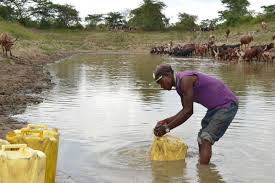 In a bid to help local communities adjacent to National parks Uganda Wildlife Authority has initiated a water project to supply local people with water. The water project in Tooro Semilki Valley National park is tapping water from River Wassa to Ntoroko, Kanara and Rwebisengo. This will serve local people and their cattle with drinking water hence preventing the interference of domestic animals in national parks.
Conflicts between local people and park management
There have been conflicts between local communities and management of Tooro Semilki, Kidepo Valleys, and Lake Mburo National Park all attributed to illegal grazing of domestic animals in national parks. In March 2019, 4 cattle keepers were arrested for illegally grazing more than 600 cows in Tooro Semliki Wildlife reserve. Local people have continuously killed wild animals especially lions who eat their cattle.
About Tooro Semliki National park
Shared between districts of Kabarole, Ntoroko and Bundibugyo, Tooro Semilki National Park is one of Uganda’s 10 national parks. The park was established in 1926 with a major aim of protecting wild animals especially the dominant Uganda kobs and diversifies tourism in the Pearl of Africa. Tooro Semilki Valley National Park spreads over 542 square kilometers is he east visited park in Uganda. Bird watching and a tour to sempaya hot springs are highlights in Semilki Valley National

3 Days Murchison Falls Np Tour
3 Days Murchison falls wildlife tour to for fantastic game viewing in search for African lion, herds of Elephant, Buffaloes, Giraffes, Antelopes, etc, and boat cruise to the bottom of the falls to see Hippos & huge crocodiles.Read More

3 Days Tour to Semuliki National park
Join a 3 Days Uganda tour to Semuliki valley national park fo game viewing, bird watching and visiting the hot springs. The park is one of Uganda’s least visited parks which give travelers with an off beaten kind of experience. Expect to see many birds and wildlife less exploited. Read More

7 Days Uganda Safari
Join a 7 Days Uganda Safari for game viewing and boat cruising at Kazinga Channel in Queen Elizabeth, chimpanzee trekking in Kibale forest and Mountain gorilla watching in Bwindi Impenetrable forest national park. You will also trek golden monkeys in Mgahinga gorilla national park as well as visiting various conservation projects in Bwindi and Mgahinga gorilla national parks. Read More

3 Days Rwanda Double Gorilla Trek
The 3 Days double gorilla trek in Rwanda offers travelers exceptional gorilla encounters in Volcanoes national park. The two involve trekking gorilla two times rewarding travelers with extended time with the gentle giants in the jungle. The tour starts and ends in Kigali Rwanda. Read More
