

The only protected area with Impalas, giraffes and zebras in the region, Lake Mburo National Park is a must-visit for wildlife viewing. The park has unique Uganda safaris activities including a walking safari, cycling and horseback riding, which other parks don’t offer. In addition, the park also provides excellent bird watching, game drives, and boat cruises.
Lake Mburo is located in south west Uganda in the dry Ankole cattle corridor including Kiruhura, Isingiro and Mbarara districts. The area was traditionally dominated by Hima people with big Ankole longhorn cattle ranches. The history of Lake Mburo is intertwined with the heritage of the local people themselves. They have shaped the conservation of the park and still play a vital role today. The British colonial government gazetted Lake Mburo as a controlled hunting area in 1933. When the park was upgraded to a game reserve in 1963, there was an invasion of tsetse flies causing sleeping disease called Nagana that wreaked havoc on the cows.
Several attempts that were made to get rid of the disease led to widespread death of both wildlife and domestic animals. The Uganda Game Department by then officially established lake Mburo national park in 1983, evicting and causing many cattle herders to flee from their ancestral land. After the National Resistance Movement established a new government, many people returned to the park throughout the 1990s. The new wildlife conservation policies with creation of Uganda Wildlife Authority (UWA) in 1996 started involving local communities in the management of protected areas. This helped to regulate human encroachment while benefiting people through tourism and revenue sharing schemes. Today, the communities adjacent to Lake Mburo are living in harmony with wildlife. The early historical sites of the Banyankole were recognized and can be found in the park including Rubanga Forest.
Vegetation
The park’s 370 sq km (142.8 sq mi) is made up of the Nakivale wetland system, which includes five lakes of which Lake Mburo is the largest. Wetland habitats occupy over 20% and are mostly found at the park’s lower elevations, 1,220 meters – 1,828m. These swamps are linked with tropical forests such as Rubanga forest and dense bushes. Much of the park though is dominated by open savanna grasslands and woodlands with acacia and euphorbia trees that are studded with rocky outcrops and gentle sloping hills.
Mammals
There are 69 mammal species in lake Mburo national park of which 9 are antelope species including impalas, bushbucks, topi, eland, oribi, reedbuck, waterbucks, Uganda kob, and klipspringer. The Sitatunga, which dwells in the swamps, is rare to see. Other large mammals often seen include Cape buffaloes, Nubian giraffes, plains zebras and common warthogs. There are no elephants, lions and hyenas in the park. Leopards are present in the park but are elusive given that their population is little and not well known. Visitors can spot the big cats from time to time especially during night game drives. Lake Mburo, other lakes and swamps provide home to hippos and Nile crocodiles.
Birds
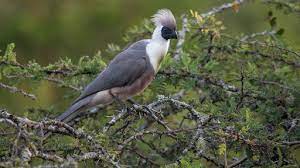 Birds are a major attraction for safari in lake Mburo national park with 317 species recorded of which 35 are raptors including African harrier hawk, which is an African-Eurasian migrant. The largest concentration of raptors in Uganda can be found at Lake Mburo, which is second only to Kidepo valley. Martial Eagle, the largest bird of prey, is also found in the park along with the African crested eagle, gray kestrel and vultures including white-headed, Reppell’s griffon and white-headed vultures.
Lake Mburo national park activities
Walking safari
Given that game drives involve staying in a vehicle in most of the Uganda national parks, Lake Mburo offers the best walking safari. The walk on foot with an armed ranger is a chance to experience the sights and sounds of the wild African bush. Besides spotting large mammals like giraffes and buffaloes, you can see some of the least considered species such as scarab beetles. You will also learn how to look for animal foot tracks and other things that are easy to miss by those who drive a 4×4 vehicle looking for large mammals. One condition for walking safari is to have an armed ranger and stick to the main path. However, it might be permitted to walk on trails depending on what is seen. Lake Mburo walking safari lasts 3 hours and is best done early in the morning when wildlife is most active. Those spending overnight in the park can do the walk before leaving the park.
Horseback safaris
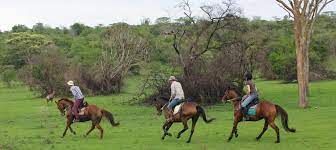 Horseback riding safari in Lake Mburo were introduced in 2008 by Mihingo, one of the luxury lodges in the park. Since then, the number of horses has increased and new routes were opened, giving you access to some of the parts of the park where other non guests don’t reach. The maximum weight horses can carry is strictly 85, however. There are strong horse breeds that carry 100 kgs. Mihingo horseback rides are available for both amateur and experienced riders. Experienced rides last 4-5 hours and go up to the Warukiri hill, where the view of almost all the 5 lakes surrounding the park.
Cycling safaris
You can cycle through Lake Mburo and spot wild animals such as zebras, buffaloes, impalas, giraffes, warthogs and elands. The trip will be booked depending on your biking abilities and what you would like to see along the way. Some routes go through the local communities where you might encounter herds of Ankole long cows along the way. You will see Lake Mburo in a unique way. Visitors must seek permission and be accompanied by an UWA ranger.
Birding
When it comes to birding safaris in Uganda, Lake Mburo is a must-visit for those intending to see both open savanna, forest and water bird species. There are over 317 species recorded including 35 raptors such as the African marsh harrier, martial eagle, gray, African fish eagle, dark chanting goshawk (melierax metabates), african harrier hawk, kestrel, brown snake eagle. The park also attracts southern migrant species including the brown-chested plover, which arrive in small numbers in the park during November. The bird can be spotted along the zebra trail in the open savanna habitat along with the northern ground hornbill. Trails along the shores of the lake and papyrus swamps offer opportunities to spot Lake Victoria Endemics such as papyrus gonolek as well as the African finfoot and the shoebill stork. Birding in lake Mburo national park is done mostly during the day, however. Visitors can also do birding at night to look for nocturnal owls and nightjars such as Verreaux’s eagle and African scops owls and the pennant-winged and fiery-necked nightjars.
Boat cruise
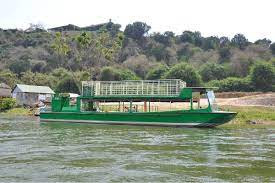 Boat cruises in Lake Mburo offer opportunities to look for water bird species and aquatic wildlife species such as Nile crocodiles, hippos and sitatunga. The activity is available in the mid morning, afternoon and sundowners for those intending to observe equatorial sunsets. The banks of lake Mburo are enclosed by bushes and swamps, making it difficult to see buffaloes. However, sometimes you can see solitary bull buffaloes hiding on the shores under the canopy. Those intending to watch elephants and buffaloes can consider the boat cruise along the Kazinga channel in Queen Elizabeth and Nile River in Murchison falls national parks.
Community visits
Lake Mburo is located in the Ankole cattle corridor, and cultural tours are now focusing on the preservation of the Ankole cow heritage. Emburara fam and Mpogo safari lodges provide Ankole cow cultural experiences including milking cows. Those with enough time can see life in a day of a cattle herder. You can spend the day at the farm and accompany the boys as they go cow-watering and grazing in the bushes. Then go back home and talk to women to learn how milk is processed into goods like cow ghee. By doing this, communities near Lake Mburo are becoming more aware of the value of tourism and conservation while also producing more jobs.
For instance, the Enyemebwa Cultural and Educational Center was established by the Ankole Cow Conservation Association (ACCA) in collaboration with UWA. The center is found in the park, making it easier to visit and learn more about Ankole cattle heritage.
How to get there
Lake Mburo is 235 km (4-hour drive) south west of Kampala capital city through the Masaka-Mbarara highway. Lake Mburo has two entrance gates including Nshara, the first and Sanga being the second of which all are 24 km away from the Rwonyo, the visitor information center. Of the eight national parks in western Uganda, Lake Mburo is the one with the easiest access.
Africa Adventure Safaris offers offers tailormade Uganda safaris to Lake Mburo National park at affordable prices!