
Mount Karisimbi Hiking Tour

A hike to the summit of mount Karisimbi is a magical experience you should not miss on your Rwanda safari. YES, whereas most travelers to Rwanda opt to trek gorillas in Volcanoes National Park, hiking Mt Karisimbi is an exceptional experience. Those who have done it before can tell how magical it feels to stand at the summit of the highest volcano overlooking Uganda, Rwanda and the Democratic Republic of Congo. Mount Karisimbi stands at 4,507 meters (14,787 ft) above the sea level and is the tallest volcano among the 8 chains of the Virunga Volcanoes in the Virunga conservation area and the 11th highest volcano in Africa. The dormant stratovolcano last erupted 8050 BCE and is located in the borders of Rwanda and the Democratic Republic of Congo. The volcano is called after “Amasimbi” in Kinyarwanda, which translates as snow.

Mount Karisimbi

Mount Karisimbi

The snow at the summit of Mt Karisimbi is clearly seen during the dry season in the months of June, July and August. Mt karisimbi hiking complements other tourist activities in Rwanda such as gorilla trekking, golden monkey tracking, Kigali city tour, Cultural tours, bird watching, and chimpanzee trekking, among others to make a complete Rwanda safari package. Karisimbi is the most hiked volcano in the Virunga conservation area besides Nyiragongo active volcano in Virunga National Park in the Democratic Republic of Congo. The nearby volcanoes to Mt Karisimbi are Mt Bisoke in the east, Mt Mikeno in the North and Nyiragongo in the west.
< h3>2 Days Mt Karisimbi Hike
The 2 Days tour is a suitable package to hike to the summit of the iconic Mt Karisimbi.

Day 1: Hike to the summit:

Wake up as early as 5:00am and transfer to Kinigi Park headquarters for briefing about safety. Thereafter, a hike commences and 2-armed rangers one in the front and the other at the back escort travelers. On a good day, lucky travelers will meet Karisimbi gorilla family, which lives in the slope of the Volcano. Hiking to the summit takes roughly 7 hours depending on the traveler’s physical fitness and speed. Spend an overnight at the summit of the volcano. Remember to carry warm sleeping bags and beddings, sweaters and gloves to deal with the very cold night

Day2: Descend

In the early morning, have breakfast and enjoy the sunrise. Also, enjoy the great views of the Crater Lake at the summit, the other Virunga volcanoes, local communities, farms, national parks and all other attractions in the neighborhood. Descend, meet your driver guide and transfer to the airport for your return flight.

What to Pack for Hiking Mt Karisimbi

Since hiking Mt Karisimbi is not a walk away, travelers are advised and reminded to pack the essentials to ensure a less challenging hike. Among the things to carry when hiking Mt Karisimbi include:
1. Sleeping bag for an overnight stay
2. Hiking boots/shoes
3. Gardening gloves
4. Sun glasses
5. Hat
6. Insect relents
7. Walking stick
8. First aid Kit
9. Energy giving snacks
10. Bottled drinking water
11. Warm sweaters
12. Rain jackets
13. Stockings
14. Long pants
15. Headlamp at night

Best time to hike Mt Karisimbi

Dry season in the months of June, July August and December is the best time to hike Mt Karisimbi. During this time, travelers get a chance to see snow at the summit of the volcano, which cannot be seen in the wet season. However, Mt Karisimbi can be visited all year through.

Cost of Hiking Mt Karisimbi

The permit to hike Mt Karisimbi costs $400 issued by Rwanda Development Board. The cost is inclusive of the rangers fee and other government taxes. Booking can be done directly with Rwanda Development Board or through Africa Adventure Safaris, your number one travel agent.

Other Virunga Volcanoes

Besides Mount Karisimbi, the Virunga conservation area comprises of more than 7 volcanoes two of which are present up to present. All volcanoes are located in the border countries and some can be hiked from either country. Virunga Volcanoes are:
• Mount Nyiragongo in Congo (active) travelers allowed to hike
• Mount Bisoke in Rwanda
• Mount Mikeno in Congo
• Mount Gahinga in Uganda
• Mount Muhabura in Uganda
• Mount karisimbi in Rwanda
• Mount Sabyinyo in Uganda
• Mount Nyamuragira in Congo (Very active), travelers not allowed to hike it
In conclusion, a hike to the summit of Mt Karisimbi is an exceptional, lifetime experience that no traveler should miss out on his/her Rwanda safari. Contact Africa Adventure safaris, book a 2 Days Karisimbi hiking tour for a lifetime adventure.

TO BOOK THIS TRIP,

Plan Your Trip

Related Tours


Short gorilla treks

3 Days Uganda Gorilla Tour

Book a 3 Days Uganda gorilla trekking tour to Bwindi Impenetrable forest park home to half of the world’s mountain gorillas. The forest is the first center for Uganda gorilla safaris having over 15 gorilla families habituated for trekking. Bwindi is also home to 120 species of mammals, 348 species of birds, 220 species of butterflies, 27 species of frogs, chameleons, geckos, and many endangered species.Read More


what to see in Murchison falls Np

3 Days Murchison Falls Np Tour

3 Days Murchison falls wildlife tour to for fantastic game viewing in search for African lion, herds of Elephant, Buffaloes, Giraffes, Antelopes, etc, and boat cruise to the bottom of the falls to see Hippos & huge crocodiles.Read More


Semulik hotsprings

3 Days Tour to Semuliki National park

Join a 3 Days Uganda tour to Semuliki valley national park fo game viewing, bird watching and visiting the hot springs. The park is one of Uganda’s least visited parks which give travelers with an off beaten kind of experience. Expect to see many birds and wildlife less exploited. Read More


Primate tours in Uganda

7 Days Uganda Safari

Join a 7 Days Uganda Safari for game viewing and boat cruising at Kazinga Channel in Queen Elizabeth, chimpanzee trekking in Kibale forest and Mountain gorilla watching in Bwindi Impenetrable forest national park. You will also trek golden monkeys in Mgahinga gorilla national park as well as visiting various conservation projects in Bwindi and Mgahinga gorilla national parks. Read More


Rwanda gorilla tours

3 Days Rwanda Double Gorilla Trek

The 3 Days double gorilla trek in Rwanda offers travelers exceptional gorilla encounters in Volcanoes national park. The two involve trekking gorilla two times rewarding travelers with extended time with the gentle giants in the jungle. The tour starts and ends in Kigali Rwanda. Read More


Plan Your Trip

Uganda welcomes 2 baby gorillas

2 Baby Gorillas Born in Bwindi Forest

While all gorilla national parks are in lockdown for COVID19, Uganda has welcomed 2 baby gorillas in Bwindi Impenetrable Forest National Park. The good news for the birth of baby gorillas was shared on 10th May 2020 when the world was celebrating Mother’s Day. Uganda Wildlife Authority informed the general public about new baby gorillas, which were born between 25th April and 1st May 2020. The baby gorillas were born in Nshongi and Muyambi gorilla groups in Rushaga and Buhoma gorilla sectors respectively. At the moment, the sexes of baby gorillas have not been known. The new baby gorillas were discovered by Bwindi Park rangers who were doing tier daily patrol of gorillas’ welfare in the forest. The parents of the baby gorilla in the Nshongi gorilla family are Kabagyenyi the mother and Nshongi the father. The other baby gorilla is born to a Muyambi silverback and an unknown adult female, which was formerly, a member of a wild gorilla family in the Buhoma sector of Bwindi Forest.

Gorilla Conservation in Bwindi Forest
The gorilla conservation story has been a success for the last 25 years. Uganda Wildlife Authority has registered a steady increase in the number of mountain gorillas, which counted to over 500 as of 2018 gorilla census in Bwindi Forest. Apparently, the whole world has 1006 mountain gorillas half of which are sheltered in Bwindi Impenetrable Forest National Park. The other population of gorillas lives in the Virunga Conservation Area shared by Mgahinga Gorilla National Park in Uganda, Volcanoes National Park in Rwanda and Virunga National Park in the Democratic Republic of Congo.

Muyambi and Nshongi Gorilla Families
Muyambi gorilla family was opened for trekking in 2019 in Buhoma sector of Bwindi Impenetrable Forest National Park. Muyambi silverback split from his former Mubare group after a disagreement heads the Muyambi family. Apparently, the Mubare gorilla family has 6 members inclusive of Muyambe silverback, adult females and infants. Regarding Nshongi Gorilla Family, it’s the oldest habituated gorilla family in the Rushaga sector. Nshongi silverback heads the family. Initially, the Nshongi Gorilla family had over 35 members but has lost many members due to external attacks and natural death.

Gorilla safari costs in Bwindi Forest
The cost of gorilla trekking in Bwindi Forest National Park is %700 for foreign nonresidents, $600 for foreign residents and UGX 250,000 for East African residents. All gorilla safari bookings are done through Uganda Wildlife Authority or through Africa Adventure Safaris, the number one gorilla safari company. Due to the high demand for gorilla tours in Uganda, all bookings are recommended at least 6 months in advance directly through UWA or Africa Adventure Safaris

Gorilla Families in Bwindi Forest
Bwindi has the highest number of mountain gorillas in Uganda habituated into 18 gorilla families. Every day, each gorilla family is visited by people for an hour. Gorilla groups in Bwindi Forest are split into four sectors i.e Buhoma, Rushaga, Nkuringo and Ruhija sectors, which make up Bwindi Forest National Park. The habituated gorilla groups in Bwindi Forest are Mubare Gorilla Family, Habinyanja Gorilla Family, Rushegura Gorilla group, Katwe gorilla family, Oruzogo Gorilla group, Nshongi gorilla family, Christmas gorilla group, Bweza gorilla Family, Nkuringo Gorilla Family, Kahungye Gorilla Family, Mishaya Gorilla Family. Bushoa and Binkyingi gorilla families are undergoing habituation experience in the Rushaga sector south of Bwindi Forest National Park.

Post Covid19 Gorilla tours to Bwindi
Whereas there are no ongoing gorilla trekking safaris t Bwindi Forest National Park at the moment, Africa Adventure Safaris is offering discounted post covid 19 gorilla safaris to Bwindi Forest. YES, there is great hope for the continuity of gorilla tours in Bwindi Forest after the defeat of the deadly Coronavirus. Bwindi Forest and Mgahinga Gorilla National Parks were temporally closed to prevent the spread of Coronavirus to the endangered mountain gorilla.

Just like the birth of a new baby in a human home, the birth of 2 baby gorillas has called for excitement in Bwindi Forest National Park. Africa Adventure Safaris  will keep you updated on the welfare of baby gorillas in Bwindi.

Related Tours


what to see in Murchison falls Np

3 Days Murchison Falls Np Tour

3 Days Murchison falls wildlife tour to for fantastic game viewing in search for African lion, herds of Elephant, Buffaloes, Giraffes, Antelopes, etc, and boat cruise to the bottom of the falls to see Hippos & huge crocodiles.Read More


Semulik hotsprings

3 Days Tour to Semuliki National park

Join a 3 Days Uganda tour to Semuliki valley national park fo game viewing, bird watching and visiting the hot springs. The park is one of Uganda’s least visited parks which give travelers with an off beaten kind of experience. Expect to see many birds and wildlife less exploited. Read More


Primate tours in Uganda

7 Days Uganda Safari

Join a 7 Days Uganda Safari for game viewing and boat cruising at Kazinga Channel in Queen Elizabeth, chimpanzee trekking in Kibale forest and Mountain gorilla watching in Bwindi Impenetrable forest national park. You will also trek golden monkeys in Mgahinga gorilla national park as well as visiting various conservation projects in Bwindi and Mgahinga gorilla national parks. Read More


Rwanda gorilla tours

3 Days Rwanda Double Gorilla Trek

The 3 Days double gorilla trek in Rwanda offers travelers exceptional gorilla encounters in Volcanoes national park. The two involve trekking gorilla two times rewarding travelers with extended time with the gentle giants in the jungle. The tour starts and ends in Kigali Rwanda. Read More


Plan Your Trip

Bwindi Gorillla tours

Dangers facing wildlife during Coronavirus pandemic

The outbreak of Coronavirus has not only affected human life but wildlife too with animals in both protected and unprotected areas facing several life-threatening challenges.

Following the spread of Coronavirus worldwide, like in other parts of the world, the Uganda Wildlife Authority responded by closing all national parks to all tourist activities in order to protect the animals from contracting Coronavirus.

However, the closure of the parks his causing far reaching effects to both animals and people especially those who were employed in the tourism industry. Problems brought about by Coronavirus that are affecting wildlife and the tourism industry at large include the following;

Poaching

The problem of poaching has been brought about by several factors during the pandemic. Firstly, the poachers are taking advantage that animals are no longer monitored as frequent as it used to be before the pandemic. The time rangers used to spend among animals was reduced in order to minimize the chances of spreading the virus to animals through human contact. Secondly, some people have resorted to poaching after following the loss of income they used to earn while tourist activities were going on. These include those who used to do casual jobs like porters, local guides and those living in tourist-supported communities around national parks.

Disease and traps

The number of animal doctors and researchers who used to check on animals on a daily basis to ensure their well-being as also reduced in a measure to limit their exposure to the human coronavirus. This left the animals like mountain gorillas more exposed to other natural calamities like disease and traps from poachers. In addition to reducing the number of the animal vets, the time they spend with the animals was also reduced hence leaving the animals more exposed to several dangers.

Military attacks on rangers

Rangers in wildlife protecting areas with civil conflicts like in eastern Democratic republic of Congo (DRC) have been exposed to military attacks from some rebel groups operating in such areas. The militias are using the opportunity of reduced security surveillance during the pandemic to launch attacks on rangers in the forests. Killing of rangers means leaving animals exposed to their life-threatening problems like poaching.

Risk of spreading coronavirus to the animals

As the world is still battling with the coronavirus pandemic, you cannot rule out the possibility of the virus spreading to the animals. Although all national parks were closed to tourists, other groups including vets, researchers and rangers continue to visit the animals to ensure their welfare. This proves that in the event, anyone among these who may have contracted the virus may end up spreading to the animals. Some animals especially primates like gorillas and chimps are very susceptible to human viruses related illnesses and hence there is big fear that once they contract the coronavirus, it can turn to be so catastrophic in their community.

Reduced wildlife funding

The suspension of safaris to tourist destinations means that no more money is coming in. This means lack of funds to be allocated for wildlife including their medical care, security and facilitating those who look after them. This is feared to have some negative effects that may retard the development of the tourism industry at large.

Loss of employment in the tourism sector

The tourism sector in Uganda and Africa at large employs many people who work in different departments of the sector to earn a living. Now that tourism is one of the sectors most affected by the pandemic, the chances of these people retaining their jobs are hanging on a thread. Those most likely to be affected include tour operators, tour guides, hotel operators, and those employed in national parks.

Related Tours


what to see in Murchison falls Np

3 Days Murchison Falls Np Tour

3 Days Murchison falls wildlife tour to for fantastic game viewing in search for African lion, herds of Elephant, Buffaloes, Giraffes, Antelopes, etc, and boat cruise to the bottom of the falls to see Hippos & huge crocodiles.Read More


Semulik hotsprings

3 Days Tour to Semuliki National park

Join a 3 Days Uganda tour to Semuliki valley national park fo game viewing, bird watching and visiting the hot springs. The park is one of Uganda’s least visited parks which give travelers with an off beaten kind of experience. Expect to see many birds and wildlife less exploited. Read More


Primate tours in Uganda

7 Days Uganda Safari

Join a 7 Days Uganda Safari for game viewing and boat cruising at Kazinga Channel in Queen Elizabeth, chimpanzee trekking in Kibale forest and Mountain gorilla watching in Bwindi Impenetrable forest national park. You will also trek golden monkeys in Mgahinga gorilla national park as well as visiting various conservation projects in Bwindi and Mgahinga gorilla national parks. Read More


Rwanda gorilla tours

3 Days Rwanda Double Gorilla Trek

The 3 Days double gorilla trek in Rwanda offers travelers exceptional gorilla encounters in Volcanoes national park. The two involve trekking gorilla two times rewarding travelers with extended time with the gentle giants in the jungle. The tour starts and ends in Kigali Rwanda. Read More

Plan Your Trip

Apes at the risk of Covid19

Four Great Apes at The Risk of Covid19

The deadly corona Virus that has shaken the whole world is not only a threat to people but also primates. Yes, the world’s great apes are at great risk of infecting this deadly disease. The threat of Corona Virus to the great apes of Africa has led to the closure of primate national parks in Uganda, Rwanda, the Democratic Republic of Congo, and in the whole world. These apes are believed to share over 99% of human genes and hence susceptible to any human illness. Apes are undeniable the close relatives of human beings given the many human-like behaviors these apes portray. The closure of national parks and restrictions on movements has affected conservation activities in the whole world putting the endangered risks at a risk. The survival of these critically endangered apes has been relying on the revenues collected from the sale of the permit on a daily basis. The great apes threatened by covid19 include:

Mountain gorillas

Inhabited in the jungle forests of Uganda, Rwanda and the Democratic Republic of Congo, mountain gorillas are great apes threatened by the deadly pandemic. The endangered species only survey in four national parks of Africa, which are Bwindi Forest National Park/Mgahinga Gorilla National Park in Uganda, Volcanoes National Park in Rwanda and Virunga National Park in Congo. Gorillas were one on the verge of extinction lots to poaching, diseases, and habitat loss. Thanks to the fallen Dan Fossey who lost her life preaching the gospel of gorilla conservation in the Virunga Conservation Area.

For the last over 20 years, mountain gorillas have been the top tourist attractions to travelers in Africa attracting the highest number of travelers from all over the world. Mountain gorillas are habituated into families each visited by a group of 8 people per day. Apparently, all Gorilla safaris in Uganda, Rwanda and Congo are temporarily suspended to save the endangered gorillas the risk of catching Corona Virus. Gorilla trekking has been a major source of foreign exchange for the governments of Uganda, Rwanda and Congo. A single gorilla permit in Rwanda costs $1500 while in Congo it costs $450. In Uganda, gorilla permits cost $700 for foreign non-residents, $600 for foreign residents, and UGX 250,000 for East African residents.

Chimpanzees

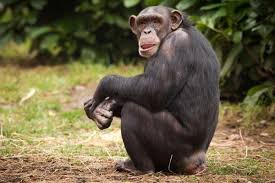
Apes at the risk of Covid19The deadly Coronavirus also threatens endangered chimpanzees. Just like the mountain gorillas, chimps are close relatives to human beings sharing over 99% of human genes. The primates are therefore susceptible to human illness especially the respiratory diseases of which Corona Virus is among. In Uganda, Chimpanzees live in Kibale Forest National Park, Kalinzu Forest, Kyambura Gorge, and Budongo Forest. Rwanda chimpanzees live in Nyungwe Forest National park and also in the rain forests of Congo. The human-like characters of chimpanzees within their communities make them worth a visit.

Orangutans

Orangutans are not left out when talking about are threatened by Coronavirus. Orungutans are a close relative to human beings with fur fingers, which it uses to gather food. The native habitats of Orungutans in the world include Danum Valley in Sabah Malaysia, Gunung Leuser in Sumatra Indonesia, Kinabatangan River in Sabah Malaysia, Tanjung Putting in Kalimantan Indonesia and in Tabin Wildlife Reserve in Sabah in Malaysia. The Orungutans rehabilitation centers in the world include Sepilok Orangutan rehabilitation center in Sabah, Semenggoh Wildlife Centre in Sarawak, Matang Wildlife Centre in Sarawak and Camp Leakey in Kalimantan.

Baboons

Baboons are yet another endangered apes at the risk of catching the deadly Coronavirus. Baboons are found almost in all rain forests across Africa and the whole world. Baboons are the largest monkeys in the world. Species of baboons in the wild include Guinea baboon, Olive baboon, Yellow baboons, Hamadryas baboons, Olive baboons, Papio Papio,Papio Cynocephalus, Chacma Baboon, Central Yellow Baboon, Guinea baboons, Kinda Boboons and Papio Ursinus Ursinus among others.

Other threats to apes in the world

Besides illnesses, apes in the wild are threatened by many other things, which hinder their survival. The threats to the survival of apes in the wild include:
1. Loss of habitats
2. Poaching
3. Civil conflicts
In general, great apes are at risk of catching the deadly Coronavirus. Government tourism bodies are working together to protect the apes and ensure sustainable tourism in the whole world.

Related Tours


what to see in Murchison falls Np

3 Days Murchison Falls Np Tour

3 Days Murchison falls wildlife tour to for fantastic game viewing in search for African lion, herds of Elephant, Buffaloes, Giraffes, Antelopes, etc, and boat cruise to the bottom of the falls to see Hippos & huge crocodiles.Read More


Semulik hotsprings

3 Days Tour to Semuliki National park

Join a 3 Days Uganda tour to Semuliki valley national park fo game viewing, bird watching and visiting the hot springs. The park is one of Uganda’s least visited parks which give travelers with an off beaten kind of experience. Expect to see many birds and wildlife less exploited. Read More


Primate tours in Uganda

7 Days Uganda Safari

Join a 7 Days Uganda Safari for game viewing and boat cruising at Kazinga Channel in Queen Elizabeth, chimpanzee trekking in Kibale forest and Mountain gorilla watching in Bwindi Impenetrable forest national park. You will also trek golden monkeys in Mgahinga gorilla national park as well as visiting various conservation projects in Bwindi and Mgahinga gorilla national parks. Read More


Rwanda gorilla tours

3 Days Rwanda Double Gorilla Trek

The 3 Days double gorilla trek in Rwanda offers travelers exceptional gorilla encounters in Volcanoes national park. The two involve trekking gorilla two times rewarding travelers with extended time with the gentle giants in the jungle. The tour starts and ends in Kigali Rwanda. Read More


Plan Your Trip

How safe are mountain gorillas from Coronavirus?

Experts have warned that great apes including mountain gorillas in the Virunga Mountains face a lethal threat from Coronavirus which is currently killing thousands of people across the world.

Mountain gorillas which are already endangered animals are highly susceptible to human disease and there is a growing fear that the coronavirus pandemic can wipe out their population if necessary measures are not taken to protect them. Gorillas share about 98% of human DNA which makes them highly susceptible to catching respiratory diseases from humans.

Wildlife experts fear that coronavirus which has been so fatal to humans can be devastating if passed on to the great apes which in the past have been affected by even pathogens producing mild symptoms in humans.

So far, no gorilla or any other great ape has been reported to have contracted coronavirus and therefore its true impact in these animals is not yet known. Researchers advise that since gorillas and other apes are already at risk of extinction due to poaching and habitat destruction, closing national and other reserves must be taken seriously.

all national parks including those with mountain gorillas in Rwanda, DR Congo, and Uganda have already been closed to tourists and researchers. However, the challenge is that leaving these animals without human protection exposes them to the risk of poaching.

The lockdowns that restricted international travel that were adopted by governments across the world in order to control the spread of coronavirus came as good news to the conservationists. There was fear that if tourists who may be already infected with coronavirus could easily pass it to the animals since they may not even exhibit any symptoms initially.

Research has proved that there is a direct transmission of viruses from humans to wild apes with evidence of common human respiratory viruses causing deaths among great apes especially those that get in contact with people. In 2016, wild chimpanzees in Ivory Coast’s Tai National Park were reported to have contracted a human coronavirus.

Mountain gorillas living in Uganda, Rwanda and DR Congo are the only great apes increasing in number with about 1,063 of them living in the wild. Basing on their rise in number, mountain gorillas were moved from critically endangered to endangered by the International Union for the Conservation of Nature (IUCN). However, this success in their conservation can easily be reversed if the apes are not safeguarded from coronavirus.

The IUCN advises that the distance normally observed between humans and great apes should increase from 7 meters to 10 meters to eliminate any chances of virus transmission. The body also adds that nobody with coronavirus related symptoms or who has been in contact with anybody ill in the previous 2 weeks should be allowed to visit the animals.

Other measures taken to safeguard gorillas from coronavirus

In addition to the worldwide lockdowns imposed, the local tourism agencies also responded to the outbreak of coronavirus virus by closing all wildlife reserves to tourists. The staff working within the parks like the rangers, veterinary doctors, and trackers are subjected to coronavirus control measures before they go to meet the animals. These include testing their body temperature, wearing face masks and gloves. The field staff must also maintain a relative distance between them and the animals while the time they spend before gorillas has also been reduced.

When will gorilla safaris resume?

Currently it’s not yet known when gorilla safaris and other tourist activities will be opened up again. With all the travel restrictions in place worldwide and the ongoing closure of national parks to tourists, it becomes hard to predict when everything will clear up. But we remain optimistic that governments will do everything possible to open up for tour activities as soon as it is deemed safe to do so in order to save their declining economies that have been severely affected by the spread of coronavirus.

However, as far as wildlife conservation is concerned, protection of animals especially endangered species like mountain gorillas from coronavirus remains the priority in this period. This will ensure that at any point safaris are opened, wildlife lovers will be able to find their favorite species safe and kicking to enjoy their experiences in the jungle once again.

Click here for more information about gorilla safaris in Rwanda and Uganda or to book your gorilla permit.

Related Tours


what to see in Murchison falls Np

3 Days Murchison Falls Np Tour

3 Days Murchison falls wildlife tour to for fantastic game viewing in search for African lion, herds of Elephant, Buffaloes, Giraffes, Antelopes, etc, and boat cruise to the bottom of the falls to see Hippos & huge crocodiles.Read More


Semulik hotsprings

3 Days Tour to Semuliki National park

Join a 3 Days Uganda tour to Semuliki valley national park fo game viewing, bird watching and visiting the hot springs. The park is one of Uganda’s least visited parks which give travelers with an off beaten kind of experience. Expect to see many birds and wildlife less exploited. Read More


Primate tours in Uganda

7 Days Uganda Safari

Join a 7 Days Uganda Safari for game viewing and boat cruising at Kazinga Channel in Queen Elizabeth, chimpanzee trekking in Kibale forest and Mountain gorilla watching in Bwindi Impenetrable forest national park. You will also trek golden monkeys in Mgahinga gorilla national park as well as visiting various conservation projects in Bwindi and Mgahinga gorilla national parks. Read More


Rwanda gorilla tours

3 Days Rwanda Double Gorilla Trek

The 3 Days double gorilla trek in Rwanda offers travelers exceptional gorilla encounters in Volcanoes national park. The two involve trekking gorilla two times rewarding travelers with extended time with the gentle giants in the jungle. The tour starts and ends in Kigali Rwanda. Read More


Plan Your Trip

What you didn’t know about the grauer’s gorilla

The grauer’s gorilla also known as Gorilla beringei grauer or the eastern lowland gorilla is a subspecies of the eastern gorilla found in the mountainous forests of eastern Democratic Republic of Congo (DRC). The endangered species are famous in that a high number of travelers to Africa come for gorilla safaris in Uganda, Rwanda & Congo

Majority of the population of the grauer’s gorilla is found in the two protected areas of Kahuzi-Biega and Maiko National Parks and in their adjacent forests of Tayna Gorilla Reserve and Usala forest and on the Itombwe Massif.

The grauer’s gorilla is the largest of the four gorilla species and like the popular mountain gorilla, the grauer’s gorilla has got jet black coat though shorter than that of the mountain gorilla.

Here are six amazing facts you didn’t know about mountain gorillas

Fact 1: Grauer’s gorillas are found only in Democratic Republic of Congo

Unlike their neighbors, the mountain gorillas that are found in 3 countries including DR Congo, Uganda and Rwanda, grauer’s gorillas can only be found in eastern DR Congo. Unfortunately, this area has for long been difficult to access due to due to insecurity caused by decades of civil unrest in the area. This has limited the study of the grauer’s gorilla hence much is still unknown about them.

Fact 2: grauer’s gorillas were previously known as the eastern lowland gorillas

The name was adjusted to better reflect the range of habitats they live in. it is true that majority of the grauer’s gorillas live in lowland forests at altitude as low as 600m above sea level, however their range extends up to 2900m above sea level. Such altitude overlaps with that of mountain gorillas hence rendering the name lowland gorilla inappropriate.

Fact 3: Grauer’s gorillas are at the highest risk of the four gorilla subspecies

Currently, the population of grauer’s gorillas stands at about 3,500 individuals but the bad news is that scientists estimate that their numbers have declined by almost 80 percent over the past twenty-five years. By comparison, although mountain gorillas are about 1,000 individuals, their numbers have been on a steady increase since the late 1980s. therefore the rapid decline in the population of the grauer’s gorillas coupled with their small number put this species at such a high risk. Their decline has been primarily attributed to poaching which has thrived in the region during the period of civil unrest as well as illegal mining of components used in manufacturing electronics like cell phones.

Fact 4: Majority of the grauer’s gorillas live in unprotected areas

Although Kahuzi-Biega and Maiko National Parks in eastern DRC are regarded as protection centers of the grauer’s gorillas, majority of them live outside these homes. It is against this background that conservation organizations like the Fossey Fund which had previously focused on protecting mountain gorillas in Rwanda decided to expand their work to protect the grauer’s gorillas too. This project kicked off in 2001 and in 2012, the organization partnered with local communities and established the Nkuba Conservation Area to protect forests that harbored grauer’s gorillas. The area has expended from its original size of 700 sq. km to 1,300 sq. km with an estimated population of about 200 grauer’s gorillas. And just like in Rwanda, the organization’s main work focuses on protection, research and engaging local communities to improve their livelihoods through employing some members many of whom were former hunters.

Fact 5: Grauer’s gorillas are studied differently compared to mountain gorillas

The grauer’s gorillas in the established Nkuba Conservation Area are not habituated to humans hence the way of research and protecting them is completely different from that of the habituated mountain gorillas. The Dian Fossey Fund trackers follow the grauer’s gorillas a day’s distance with the help of food remains, nest sites, footprints, among other methods to detect their presence, establish their numbers, travel paths, diets and other important information.

Fact 6: Grauer’s gorillas share social behavior with mountain gorillas

Although majority of the grauer’s gorillas remain unhabituated, just like mountain gorillas, they are highly sociable and very peaceful. They also live in groups or families ranging from two to thirty in number. A group of grauer gorillas consists of one silverback, the leader, several females and their offspring. The silverback primarily lead the group and protect the members from danger while other young males slowly begin to leave their natal groups in attempt to form their own groups.

Related Tours


what to see in Murchison falls Np

3 Days Murchison Falls Np Tour

3 Days Murchison falls wildlife tour to for fantastic game viewing in search for African lion, herds of Elephant, Buffaloes, Giraffes, Antelopes, etc, and boat cruise to the bottom of the falls to see Hippos & huge crocodiles.Read More


Semulik hotsprings

3 Days Tour to Semuliki National park

Join a 3 Days Uganda tour to Semuliki valley national park fo game viewing, bird watching and visiting the hot springs. The park is one of Uganda’s least visited parks which give travelers with an off beaten kind of experience. Expect to see many birds and wildlife less exploited. Read More


Primate tours in Uganda

7 Days Uganda Safari

Join a 7 Days Uganda Safari for game viewing and boat cruising at Kazinga Channel in Queen Elizabeth, chimpanzee trekking in Kibale forest and Mountain gorilla watching in Bwindi Impenetrable forest national park. You will also trek golden monkeys in Mgahinga gorilla national park as well as visiting various conservation projects in Bwindi and Mgahinga gorilla national parks. Read More


Rwanda gorilla tours

3 Days Rwanda Double Gorilla Trek

The 3 Days double gorilla trek in Rwanda offers travelers exceptional gorilla encounters in Volcanoes national park. The two involve trekking gorilla two times rewarding travelers with extended time with the gentle giants in the jungle. The tour starts and ends in Kigali Rwanda. Read More


Plan Your Trip

The Bamungwe Cave in Kabale District

Do you want to discover and explore something new? Visit the hidden Bamungwe cave located in Nyakagyera parish, Kyanamira sub country, Ndorwa county, Kabale district in southwestern Uganda. Among all tourist attractions in Uganda, the Bamungwe Nyakagyera cave has been left out. It’s unfortunate that most travelers to the Kabale district have often missed this treasure. Yes, the history behind this cave and its size in length and width make it worth visiting. Nyakagyera cave is hardly a tourist attraction because few of any tourists have visited it before. Nyakagyera cave measures 33 feet wide, 20 feet tall and 60 meets deep. The actual history of Nyakagyera cave has never been written down

The Bamungwe cave is located beneath Kabaraga hill, the highest point overlooking the beautiful Kabale town and the rolling hills of Kigezi. The cave is roughly 14 kilometers from Kabale town at Omwibare, Nyakagyera parish, Kyananamira sub-county. The cave is surrounded by local households mainly of the Bazigaba clan. The hidden cave is just nine miles from Kabale district as you climb the hills towards kabaraga which is the highest point overlooking Kabale town. A few residents of the Kabale district know the existence of this cave. A few residents of Kabale know the existence of this cave but have not made an effort to visit and discover its whereabouts.

The elders of the area say that the stone cave was initiated by early man. The early man would throw stones to kill animals lower down the slopes and the dead animals would be taken for feasting inside the cave. Moreso, the Nyakagyera cave was used as a safe and hiding place by local residents of Nyakagyera village. It’s also believed that Nyakagyera cave was a meeting place for local leaders who would meet there and discuss on how to attack and conquer their rivals.
Some histories say that Nyakagyera cave was traditionally inhabited by Batwa pygmies who were later evicted and chased away by bakiga. Batwa pygmies were forced into the jungle forests of Bwindi Impenetrable Forest and Mgahinga Gorilla National Parks where they lived with wild animals till in the 1990s when gorilla tourism was introduced in these parks. Today, no one lives in this cave. Its currently a home for birds, bats, and its entrance is masked by overgrown shrubs and trees. The cave looks like a neglected mine filed. On entering, numerous birds and bats fly out leaving it for you. The small rooms are believed to be the initial rooms of batwa pygmies.

How to Get to Nyakagyera Cave

From Kabale town, Nyakagyera cave can be reached by foot, bicycle, motorbike, and vehicles. It takes roughly 15 minutes drive from Kabale town. However, the roads can be muddy and waterlogged especially in the rainy season making it difficult to drive through. When it rains, muddy roads become impassable. The cave can, therefore, be well visited in the wet-dry season when roads are dry and easy to pass.

Other activities done in Nyakagyera village

Agriculture is the major economic activity done in this hidden village a source of livelihood to all homes in this area. You will come across numerous small gardens of sweet potatoes, bananas, beans, peas, Irish potatoes and sorghum. Other activities done in Nyakagyera include charcoal burning, clay molding, and pottering.

Can the cave be promoted as a tourist attraction?
Yes, Nyakagyera cave can be promoted as a new tourism product in the Kabale district. The rich history, the unique size of the cave and cool comfort inside make it a worth visit. A visit to Nyakagyera cave can complement other tourist attractions in Kabale such as mountain gorillas in Bwindi Forest/Mgahinga Gorilla National Park, Virunga volcanoes, and Lake Bunyonyi among others.
In conclusion, Nyakagyera cave is a hidden gem you ought to visit on your Uganda safari to southwestern Uganda. Contact Africa Adventure Safaris today, book a trio and we shall take you to the roots of this hidden gem,

Related Tours


what to see in Murchison falls Np

3 Days Murchison Falls Np Tour

3 Days Murchison falls wildlife tour to for fantastic game viewing in search for African lion, herds of Elephant, Buffaloes, Giraffes, Antelopes, etc, and boat cruise to the bottom of the falls to see Hippos & huge crocodiles.Read More


Semulik hotsprings

3 Days Tour to Semuliki National park

Join a 3 Days Uganda tour to Semuliki valley national park fo game viewing, bird watching and visiting the hot springs. The park is one of Uganda’s least visited parks which give travelers with an off beaten kind of experience. Expect to see many birds and wildlife less exploited. Read More


Primate tours in Uganda

7 Days Uganda Safari

Join a 7 Days Uganda Safari for game viewing and boat cruising at Kazinga Channel in Queen Elizabeth, chimpanzee trekking in Kibale forest and Mountain gorilla watching in Bwindi Impenetrable forest national park. You will also trek golden monkeys in Mgahinga gorilla national park as well as visiting various conservation projects in Bwindi and Mgahinga gorilla national parks. Read More


Rwanda gorilla tours

3 Days Rwanda Double Gorilla Trek

The 3 Days double gorilla trek in Rwanda offers travelers exceptional gorilla encounters in Volcanoes national park. The two involve trekking gorilla two times rewarding travelers with extended time with the gentle giants in the jungle. The tour starts and ends in Kigali Rwanda. Read More


Plan Your Trip

Bwindi Gorilla Groups

Rushegura Gorilla Family

Also known as group R, Rushegura gorilla family is one of the four habituated gorilla families living in Buhoma sector north of Bwindi Impenetrable Forest National Park. Rushegura gorilla group was initially part of the great Habinyanja gorilla family. In 2000, Mwirima silverback rebelled and broke from his father to form his own gorilla family. Just like other gorilla families in Bwindi Forest, Rushegura was taken through a 2 years’ gorilla habituation experience and was officially opened for trekking in 2002. The name Rushgeura was derived from the place where the two gorilla families (Rushegura and Habinyanja) split becoming independent. Unfortunately, Mwirima silverback later died and leadership was taken over by Kabukujo, the then blackback that was in the family. Kabukojo has successfully led Rushegura gorilla family to the present.

Members of Rushegura Gorilla Family

Altogether, Rushegura gorilla family comprises of 16 members including 1 silverback, 4 adult females, 4 infants, 3 juveniles and 4 black backs. Group members include
• Kabukojo,
• Kabande,
• Nyamunwa
• Kyirinvi,
• Nyampanzi
• Kafuruka,
• Kanywanyi,
• Karungi,
• Businza
• Kafuruka among others.

Where to trek Ruhegura gorilla family

More often, Rushegura gorilla family roams in areas near Buhoma park headquarters and batwa community villages nearby. Rushegura gorilla group is, therefore, one of the easy to trek gorilla families in Buhoma sector of Bwindi Forest as a whole. The trekking time to see the Rushegura gorilla family can be as short as 30 minutes or longer to 5 hours depending on the location of gorillas that day. Trekking starts at 8:00 am, following a pre gorilla trekking briefing at Buhoma park headquarters.

Gorilla Permits for Rushegura Gorilla Family

Each day, Rushegura gorilla family as 8 gorilla permits for first-come travelers. The fact that Rushegra gorilla group is one of the easy to trek gorilla families in Bwindi, Gorilla permits to see Rushegura family tend to sell easily than other families. Permits are issued on a first come first serve basis. Gorilla permits in Bwindi Forest cost $700 for foreign non-residents, $600 for foreign residents and UGX 250,000 for East African Residents. Gorilla Permit booking is recommended at least 6 months in advance for timely planning.

Where to Sleep when trekking Rushegura Gorilla Family

Wondering where to sleep when trekking Rushegura Gorilla family? No worries. Buhoma sector has got an endless list of luxury, budget and midrange lodging facilities and camps to serve you with excellent food and sleeping services at affordable rates. The top lodges in Buhoma sector include Bwindi forest Lodge, Buhoma Lodge, Mahogany Springs Lodge, and Buhoma Community Camp. Lodge services are categorized into the budget, midrange and luxury depending on the traveler’s budget and choice.

Other Gorilla Families in Buhoma sector

Besides Rushegura gorilla family, Buhoma sector is home to more other 3 gorilla groups which are Mubare Gorilla Family (The oldest and first gorilla group in Bwindi Impenetrable Forest National park), Habinyanja gorilla family and the recently introduced Katwe Gorilla Family. In total, Buhoma sector has 4 habituated gorilla families
• Kahungye Gorilla Group
• Nshongi Gorilla Group
• Bitukura Gorilla family
• Nshongi Gorilla Group
• Christmas Gorilla Family
• Bweza Gorilla family
• Oruzogo Gorilla family
• Busingye Gorilla family
• Bushaho Gorilla family undergoing habituation experience
• Bikingyi Gorilla family undergoing habituation
• Christmas Gorilla Family
• Mubare Gorilla family
• Katwe Gorilla group
• Mishaya Gorilla family
• Habinyanja Gorilla Group

What to pack for trekking Rushegura Gorilla Family

The packing list for trekking Rushegura and other gorilla families in Bwindi Impenetrable Forest National Park include among others

  • Hiking boots/shoes
  • Gardening gloves
  • Long pants
  • Long sleeved shirts
  • Hat
  • Raincoat
  • Sunglasses
  • Insect Repellant
  • Bottled drinking water
  • In general, Rushegura Gorilla Family is an amazing gorilla group to visit on your Uganda gorilla tour to Bwindi Forest National Park. Contact Africa Adventure Safaris today, book your permit and get a chance to trek the exceptional Rushegura Gorilla Family for a memorable experience.

    Related Tours


    what to see in Murchison falls Np

    3 Days Murchison Falls Np Tour

    3 Days Murchison falls wildlife tour to for fantastic game viewing in search for African lion, herds of Elephant, Buffaloes, Giraffes, Antelopes, etc, and boat cruise to the bottom of the falls to see Hippos & huge crocodiles.Read More


    Semulik hotsprings

    3 Days Tour to Semuliki National park

    Join a 3 Days Uganda tour to Semuliki valley national park fo game viewing, bird watching and visiting the hot springs. The park is one of Uganda’s least visited parks which give travelers with an off beaten kind of experience. Expect to see many birds and wildlife less exploited. Read More


    Primate tours in Uganda

    7 Days Uganda Safari

    Join a 7 Days Uganda Safari for game viewing and boat cruising at Kazinga Channel in Queen Elizabeth, chimpanzee trekking in Kibale forest and Mountain gorilla watching in Bwindi Impenetrable forest national park. You will also trek golden monkeys in Mgahinga gorilla national park as well as visiting various conservation projects in Bwindi and Mgahinga gorilla national parks. Read More


    Rwanda gorilla tours

    3 Days Rwanda Double Gorilla Trek

    The 3 Days double gorilla trek in Rwanda offers travelers exceptional gorilla encounters in Volcanoes national park. The two involve trekking gorilla two times rewarding travelers with extended time with the gentle giants in the jungle. The tour starts and ends in Kigali Rwanda. Read More


    Plan Your Trip

    Pablo: What you should know about this legendary gorilla group

    Record-breaking gorilla group

    Pablo gorilla group lives in Volcanoes National Park in Rwanda where it has existed for more than 25 years. In 2006, the group reached a record-breaking size of 65 gorillas, the highest number ever been recorded of any mountain gorilla family. As the group grew larger and larger, it came to a point when there were many too many gorillas for one dominant silverback to manage. This led to a sequence of events in which other silverbacks in the group gained some power to attract females and form their own groups. Some males started by living on the periphery of their native group as they tried to attract females while others split with females and formed their new groups right away.

    Alliance with other groups

    Recently trackers found out that Pablo group has been in close proximity with another group led by silverback Musilikale which was formed following a split from Pablo’s group in 2013. Although the two groups live in close proximity to each other, this has not resulted into any direct interaction between their members. This has been interpreted by trackers as a measure of avoiding conflict between the two groups or even creating alliances. The familiarity factor among the group members has been attributed to for their peaceful co-existence. Another important factor to note regarding these two groups is that all silverbacks are sons of one the legendary silverback, Cantsbee.

    The two groups were on several occasions last year seen living less than 100 meters apart but surprisingly still there was no sign of interaction or confrontation between them. On one accession, one of the females from Musilikare group transferred quietly and joined Pablo’s group and this did create instability between the groups.

    Mother and daughter raising their offspring at the same time

    A pair of mother and daughter raising their respective offspring at the same time is another wonder found in Pablo’s group. Trackers recorded that female gorilla Gutangara, 35 and her daughter Shishikara, 11, both gave birth one apart in 2019. The pair already had a close relationship and used to spend a lot of time together and seeing them raising their newborns at the same time is simply fascinating. Experienced Gutangara is a mother 0f 7 of which are in Pablo’s group while the rest left the group and moved out. On the other hand, Shishikara is a brand-new mother.

    Multiple subordinate silverbacks to the leader

    Gicurasi is the dominant and leading silverback of Pablo group. The second in ranking is 16-year-old Dushishoze who is also a son of Cantsbee. He is fully trusted by Gicurasi who has put him in charge of detecting danger and assisting when facing intrusion. Shishikara lives a low-profile life, spending most of his time on the periphery of the group; he is always last when the group is moving and has a very limited access to females. 14-year-old Ubwuzu, a grandson of Cantsbee is the third in ranking and he is less shy and a very active subordinate. He has a very good relationship with leader Gicurasi which allows him to show off to females in the group. Number four is silverback Agahebuzo, 13, another son of Cantsbee who is just maturing from adolescence. He observes the fact that there are other 3 silverbacks above him and he respects them well.

    Pablo inherited the group from Cantsbee

    The current leader of the Pablo group, Gicurasi succeeded Pablo himself who also inherited leadership from the legendary Cantsbee. Pablo had dominated the group for one year after which he yielded leadership to Cantsbee. He then stayed in the group as second in command and remained well respected.

    Related Tours


    what to see in Murchison falls Np

    3 Days Murchison Falls Np Tour

    3 Days Murchison falls wildlife tour to for fantastic game viewing in search for African lion, herds of Elephant, Buffaloes, Giraffes, Antelopes, etc, and boat cruise to the bottom of the falls to see Hippos & huge crocodiles.Read More


    Semulik hotsprings

    3 Days Tour to Semuliki National park

    Join a 3 Days Uganda tour to Semuliki valley national park fo game viewing, bird watching and visiting the hot springs. The park is one of Uganda’s least visited parks which give travelers with an off beaten kind of experience. Expect to see many birds and wildlife less exploited. Read More


    Primate tours in Uganda

    7 Days Uganda Safari

    Join a 7 Days Uganda Safari for game viewing and boat cruising at Kazinga Channel in Queen Elizabeth, chimpanzee trekking in Kibale forest and Mountain gorilla watching in Bwindi Impenetrable forest national park. You will also trek golden monkeys in Mgahinga gorilla national park as well as visiting various conservation projects in Bwindi and Mgahinga gorilla national parks. Read More


    Rwanda gorilla tours

    3 Days Rwanda Double Gorilla Trek

    The 3 Days double gorilla trek in Rwanda offers travelers exceptional gorilla encounters in Volcanoes national park. The two involve trekking gorilla two times rewarding travelers with extended time with the gentle giants in the jungle. The tour starts and ends in Kigali Rwanda. Read More


    Plan Your Trip

    The threat of Coronavirus to mountain gorillas

    In the wake of Coronavirus spreading across the world, conservationists are warning that Africa’s endangered mountain gorillas in could be at risk from the virus. Gorillas, which share about 98 percent of the human DNA, are apes that are prone to respiratory illnesses and common colds just like humans. Any close contact between people who may be infected with the virus and the gorillas can easily lead to the spread of the virus to the animals.

    Following the outbreak of Coronavirus (COVID-19) worldwide, countries with mountain gorillas including Uganda, Rwanda and Democratic Republic of Congo (DRC) have come up with some measures to protect the gorillas against this pandemic.

    In DR Congo, Virunga National Park, the country’s home of mountain gorillas has been closed to visitors. Rwanda has also suspended all research activities and entrance to three national parks including Volcanoes National Park which protects mountain gorillas. Uganda has not yet closed its parks but all visitors from abroad have been stopped from coming into the country. The staff who work in wildlife reserves like rangers, trackers, and vets have also been encouraged to practice preventive measures that have been put in place.

    In addition to the measures from the authorities, other conservation organizations like the Dian Fossey Fund which is in charge of protecting mountain gorillas in Rwanda and DR Congo have also erected measures to prevent Coronavirus from spreading to the gorillas. These measures include limiting the number of hours their field staff have been spending with the gorillas to monitor their health and general well-being. The field staff have also been told to maintain a distance of 100 meters away from the animals immediately after checking on them. The field staff is also subjected to health checks every day before they go to see the animals and those found with any symptoms are immediately isolated. Other workers whose work can be done from home have been advised to do to limit contact between individuals and the animals too.

    Counting losses?
    Gorilla trekking has been the largest foreign exchange earner among all tourist activities in all the 3 countries. Gorillas safaris have been taking place throughout the year in all the 3 countries with each trekker paying between $450 and $1,500 to see the gorillas depending on the country where trekking is done. Rwanda has the most expensive gorilla permit at $1,500 per person, Uganda’s permit is sold at $600 per person while DR Congo’s permit is the cheapest at $450 per person. A pause in the activity will lead to the tourism industry in all the 3 countries losing huge amounts of foreign exchange revenue. This also applies to all other tourism stakeholders including tour agents who have been arranging gorilla safaris for their clients. They are now not getting business since bookings are not coming and therefore face a risk of being kicked out of business. Other stakeholders facing the same challenges include hotels and lodges that have been providing accommodation services to the clients who come to trek gorillas and see other animals. Others include tour guides and those who work in the parks who are all out of business now.

    The status of mountain gorillas

    Unlike other gorilla subspecies, the global population of mountain gorillas has been steadily increasing and currently, they are estimated to be around 1,063 individuals in the wild compared to about 250 individuals that existed in the 1970s. It is this steady increase in their population that prompted the International Union for Conservation of Nature (IUCN) to remove mountain gorillas from the Red List of critically endangered species in 2018. About half of the global population of mountain gorillas lives in Uganda’s Bwindi Impenetrable National Park, which has got about 17 habituated groups of gorillas trekked by tourists who visit the park. Volcanoes national Park in Rwanda has 10 habituated gorilla groups, DR Congo’s Virunga National Park has 8 habituated gorilla families while Mgahinga Gorilla National Park in Uganda has one recorded habituated gorilla family. On average, each habituated gorilla family has about 15 individuals though some families may have as many as over 35 members. A typical gorilla family is led by one strong and dominant male known as a ‘silverback’ with several females and their young ones and other young males.

    How is gorilla trekking organized?

    Gorilla trekking is a highly regulated tourist activity given that mountain gorillas are endangered animals and therefore their conservation is highly emphasized. Each habituated gorilla group trekked once a day by a group of 8 visitors who spend only hour in their presence. While in the presence of gorillas, trekkers are supposed to maintain a distance of at least 7 meters between them and the animals to avoid transmission of any infections to them. Other measures trekkers are supposed to observe include not littering around the gorilla habitat, observing silence and avoiding direct eye contact with the gorillas.

    Related Tours


    what to see in Murchison falls Np

    3 Days Murchison Falls Np Tour

    3 Days Murchison falls wildlife tour to for fantastic game viewing in search for African lion, herds of Elephant, Buffaloes, Giraffes, Antelopes, etc, and boat cruise to the bottom of the falls to see Hippos & huge crocodiles.Read More


    Semulik hotsprings

    3 Days Tour to Semuliki National park

    Join a 3 Days Uganda tour to Semuliki valley national park fo game viewing, bird watching and visiting the hot springs. The park is one of Uganda’s least visited parks which give travelers with an off beaten kind of experience. Expect to see many birds and wildlife less exploited. Read More


    Primate tours in Uganda

    7 Days Uganda Safari

    Join a 7 Days Uganda Safari for game viewing and boat cruising at Kazinga Channel in Queen Elizabeth, chimpanzee trekking in Kibale forest and Mountain gorilla watching in Bwindi Impenetrable forest national park. You will also trek golden monkeys in Mgahinga gorilla national park as well as visiting various conservation projects in Bwindi and Mgahinga gorilla national parks. Read More


    Rwanda gorilla tours

    3 Days Rwanda Double Gorilla Trek

    The 3 Days double gorilla trek in Rwanda offers travelers exceptional gorilla encounters in Volcanoes national park. The two involve trekking gorilla two times rewarding travelers with extended time with the gentle giants in the jungle. The tour starts and ends in Kigali Rwanda. Read More


    Plan Your Trip